FPJ Edit: Moving from COVID-19 pandemic to realising true potential

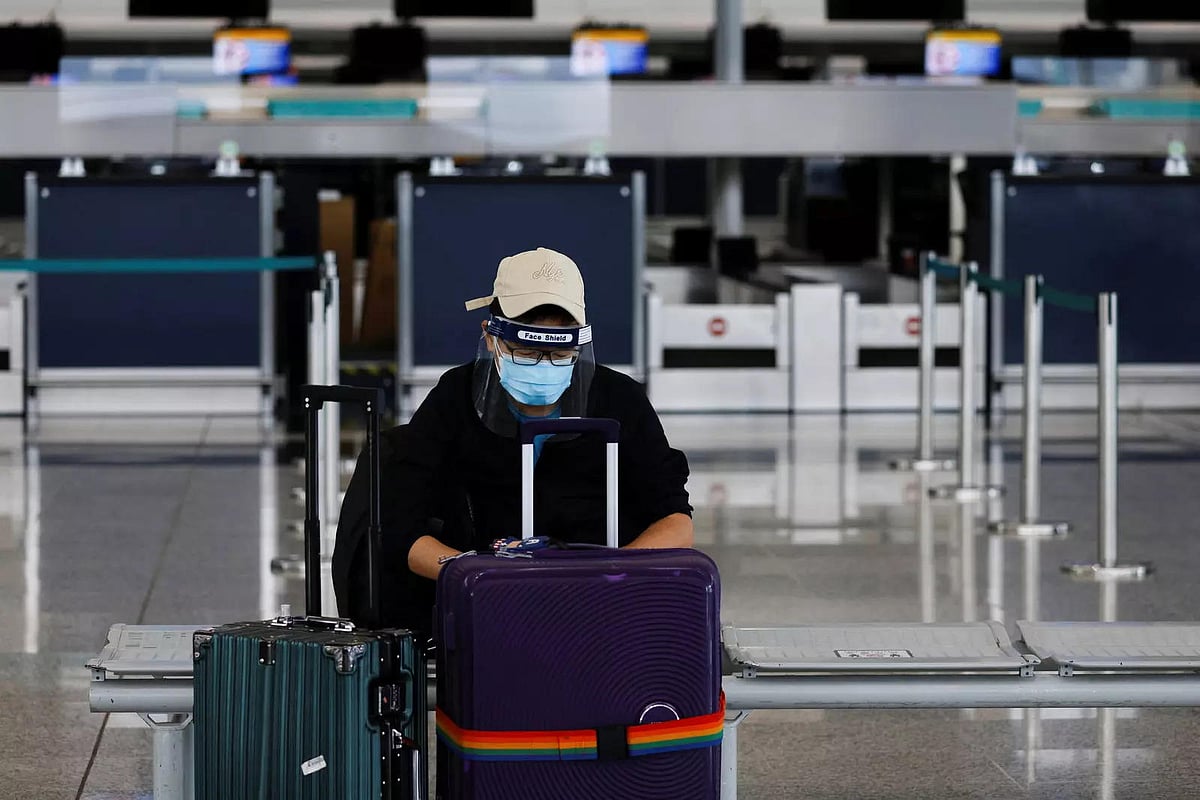
For two years we were in a perpetual pandemic mode of functioning. Only for the past few weeks of formal opening up, we are witnessing a semblance normalcy, marked by an exuberance of social behaviour, as if savouring for the first time the joys of free movement. Even this transient and fleeting pleasure is already dissipating with resurgence of Covid cases across South East Asia and Europe. If the inevitable happens, in no time, we will be back in the ‘test, track, treat, follow Covid-appropriate behaviour and vaccination’ groove. Somehow, the misplaced idea of new-normal did not usher in a sustainable ‘quality life’. It was marked by revenge-travel and revenge-eating, such is our nihilistic approach to life.
On a macro plane, globally, governmental initiatives to fight the pandemic impacted movement of people and goods. Consequently, this led to disruptions in manufacturing and supply chains, impacting business continuity in many segments. Through the two years of pandemic, India has seen its wealthy get wealthier and the vulnerable communities grappling with the virus onslaught with difficulties and dismay; clearly, the pandemic brought the world to its knees; we saw it precipitate the second biggest financial crisis of this century, which has probably lasted longer. This has not only stressed out the financial systems and tested the fragility of political outlook but has also mocked at superpowers which were unable to handle what is inherently a flu of a debilitating nature. With that, the structural question of nation building –manifest in the notion of ‘Atmanirbharta’ -- is even more relevant now.
India has had its share of citizenry criticism -- that more could have been done during the pandemic; or the sceptics questioning every data that were officially presented. Yet the nation has demonstrated agility and alacrity in fighting the pandemic and its subsequent waves: Be it vaccination of a burgeoning population or ensuring free of cost delivery to those who could not afford health care. India also played the good global good Samaritan by providing vaccines to over 150 countries. Unlike its Western counterparts, it did not play Shylock by milking a medical crisis. India also saw an uptick in the digital way of life -- in mundane day-today usage, in volatile financial systems & markets and trade and commerce. The low-cost digital applications of JanDhan, UPI and CoWin have set a new global benchmark. Hopefully, it is something that India can leverage as an offering to the rest of the world.
Yet, despite our traumatic experience, we seem to be returning to our terrible social etiquette -- keeping our localities dirty and not paying attention to hygiene and public health. While we successfully tracked the pandemic in terms of people infected and the recoveries that had taken place, we did not realise that there must be a paradigm shift in our priorities and sustainable goals. If we have not learnt the need to prioritise public health challenges even now, we have lost our edge forever. We need to build more accessible, better quality healthcare infrastructure across the country. As a populous nation, it is in our interest, that we make access to affordable quality healthcare a basic citizen right. As we rear our next generation workforce, we must realise that two batches of students across various programs have graduated without much practical or real-life experience; it is only thanks to the digital matrix that they have moved from the online classroom to the workplace. But online education has also created a digital-divide. It is time to reset the system by imparting real-time education.
Since nearly 80% of India's workforce is employed in the informal sector, which accounts for nearly 50% of the nation’s GDP, we need to spend policy resources on speedy rebuilding of the economy. Access to credit, across all business segments, alone can spur inclusive growth. India needs to drastically make it easier for citizens to earn their livelihood. It must further simplify its workforce compliances and labour rules. These will lead to competitiveness as well as facilitate actual on-ground ease of doing business. This is the only way the nation can harness its demographic dividend of a young tech-savvy workforce. If not put to use, and in time, this dividend would become a social liability. This is the time for India to build an economy that is more resilient and diversified. This is the time to make our market relevant to global investors and brands alike. We must reform our systems and structures to remove the regulatory-cholesterol.
ALSO READ
RECENT STORIES
-
-
-
-
-