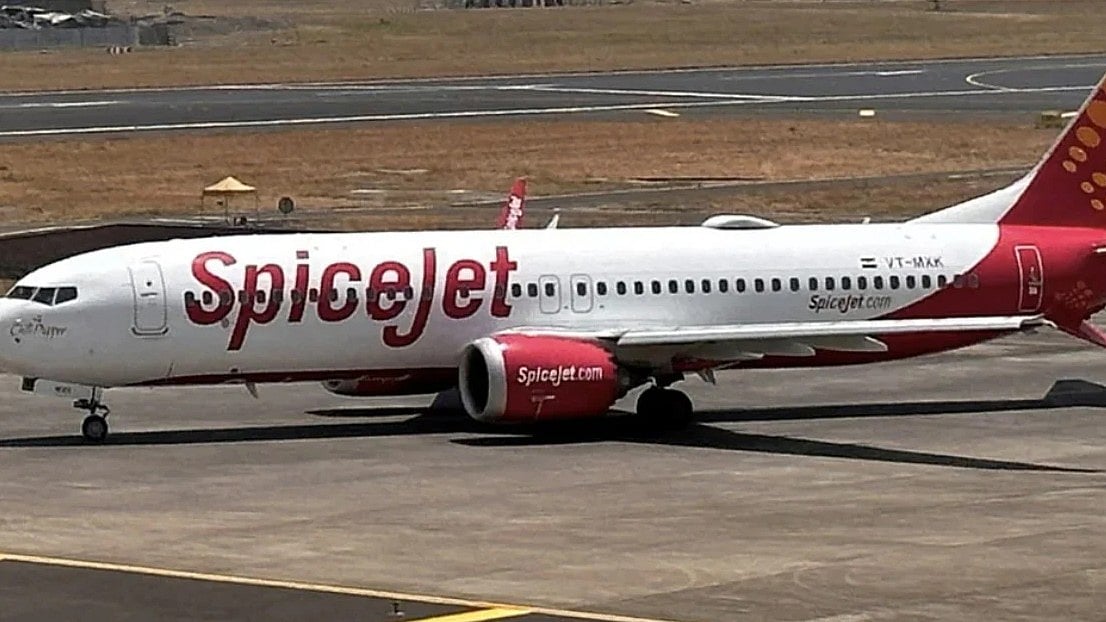
Indian airline SpiceJet has reportedly delayed salary payments to many of its pilots since March, amid a cash crunch.
The carrier is seeking an emergency loan under the government-backed Emergency Credit Line Guarantee Scheme to stabilise operations, according to a report by Reuters.
Once India’s second-largest domestic airline with a 15% market share in 2019, SpiceJet has fallen to fourth place with a 3.4% share.
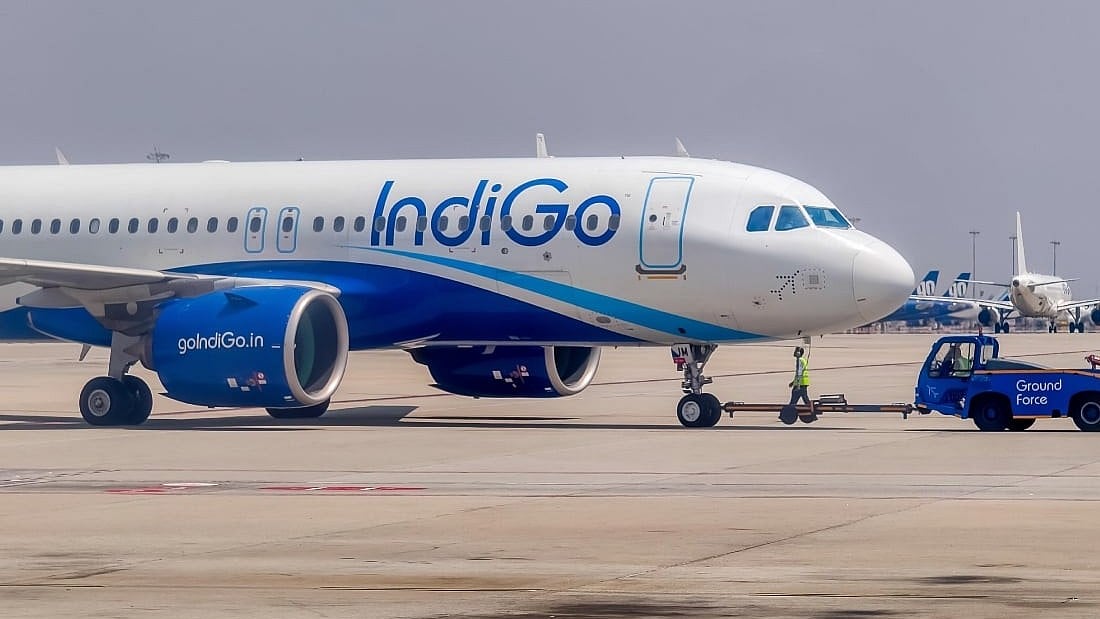
Its long-term financial struggles have worsened due to higher fuel costs and restricted airspace caused by the Middle East conflict, affecting rivals such as IndiGo and Air India as well.
The airline had 375 pilots as of March, and salary delays have persisted for several months, according to two pilots and a review of WhatsApp messages involving over 180 members, including Boeing pilots and a senior airline official.
In one message dated May 26, SpiceJet’s senior vice president of flight operations, Virendra Malhotra, acknowledged the delays and said outstanding February salaries would be released soon. Malhotra later denied issuing such a message, according to the report.
SpiceJet said employee payments continue to be disbursed in phases, with most employees receiving March salaries. The delays have impacted pilots’ daily lives, raising concerns about financial stress, fatigue, and mental health.
The airline is actively pursuing funding under the Emergency Credit Line Guarantee Scheme, which offers seven-year government-backed loans of up to ₹15 billion ($156.74 million). SpiceJet expects operations to stabilise in the coming months.
Currently, the airline operates a fleet of 21 aircraft. It has returned a Boeing 737 MAX to service and finalised a lease for three Airbus A320s to join in July.

SpiceJet’s stock has dropped 60% this year, compared with a 13.8% decline for IndiGo. Scheduled flights fell from 4,494 in January to 3,053 in May. High taxes, competition, and supply-chain issues have driven other Indian airlines, including Kingfisher, Jet Airways, and Go First, into bankruptcy over the last 15 years.
The airline has deferred staff salaries during previous financial challenges dating back to 2014. Its recent decline follows the Boeing 737 MAX grounding in 2019, the COVID-19 pandemic, and legal and payment disputes.
SpiceJet has posted annual losses since 2019, except for a small profit in FY25 from one-time lessor settlements. Two aircraft lessors have issued payment default notices this year.
